Knock Down Rebuild

There's a moment — usually standing in a kitchen that no longer fits your life — when you realise the house isn't broken. It's just done.

From Old Bones to Dream Home: 
The Real Journey of a Knock Down Rebuild

There's a moment — usually standing in a kitchen that no longer fits your life — when you realise the house isn't broken. It's just done.

The floor plan that worked 15 years ago is a battle every morning. The bathroom is like an antique. Ceilings are too low. Rooms are too small. All the fresh paint in the world isn't going to make a difference. But the ground? The land is just the place you want to be. The street. The schools. The neighbours you’ve known for ages.

That's when the idea of a knock down rebuild quietly takes hold.

It doesn't arrive loudly. It usually starts as a passing thought — what if we just started fresh? — and then slowly becomes the only option that actually makes sense.
Saying Goodbye Is Part of the Process

One thing that doesn't get talked about enough in the knock down rebuilds conversation is the emotional weight of demolition.

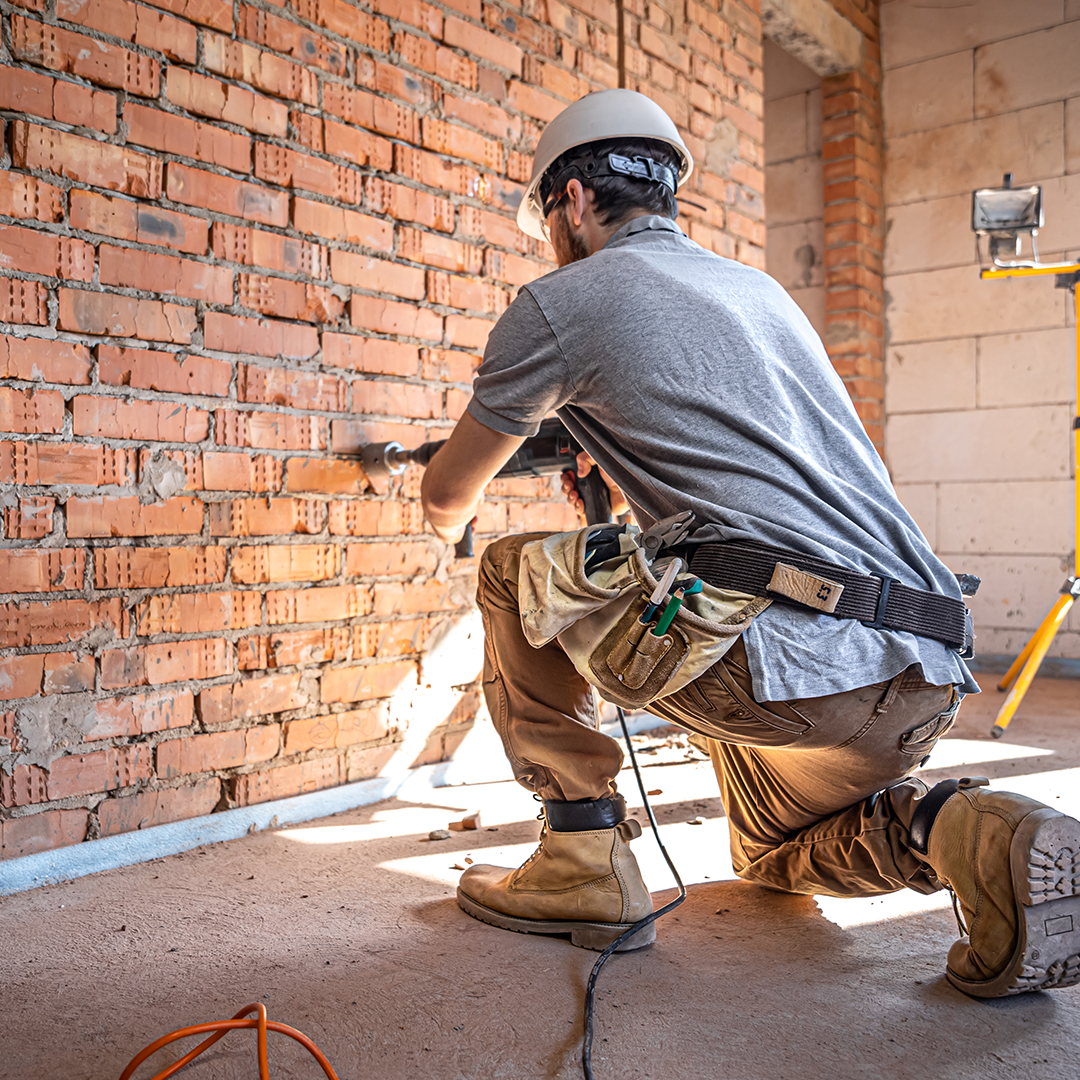
Homeowners know, intellectually, that the old house needs to go. But when the day comes — when the excavator pulls up and the walls start to come down — it can feel unexpectedly heavy. Children were raised in those rooms. Milestones happened there. Even in a house that was never quite right, there's something accumulated in the walls that's hard to name.

Acknowledging that weight isn't weakness. It's honesty. The demolish-and-rebuild process asks something of you that a new house and land purchase doesn't: it asks you to let go of something familiar before you can move toward something better.

Experienced builders understand this. The demolishing phase isn't just a construction milestone — it's a personal one. And the homeowners who move through it most confidently are usually those who've had enough early conversations with their builder to feel genuinely excited about what comes next.

What the Knock Down Rebuild Process Actually Involves

A knock down rebuild is not simply a demolition followed by a new home build. The process is more layered than that, and understanding it upfront saves a great deal of stress later.

Before the first wall falls there’s the groundwork. Site assessments, council approvals, demolition permits and a keen understanding of what’s underneath. Before the rebuild process can really begin, there’s a lot to assess, including soil conditions, easements and service connections. This stage itself can take longer than many Australian homeowners think – and that’s nothing to stress about.

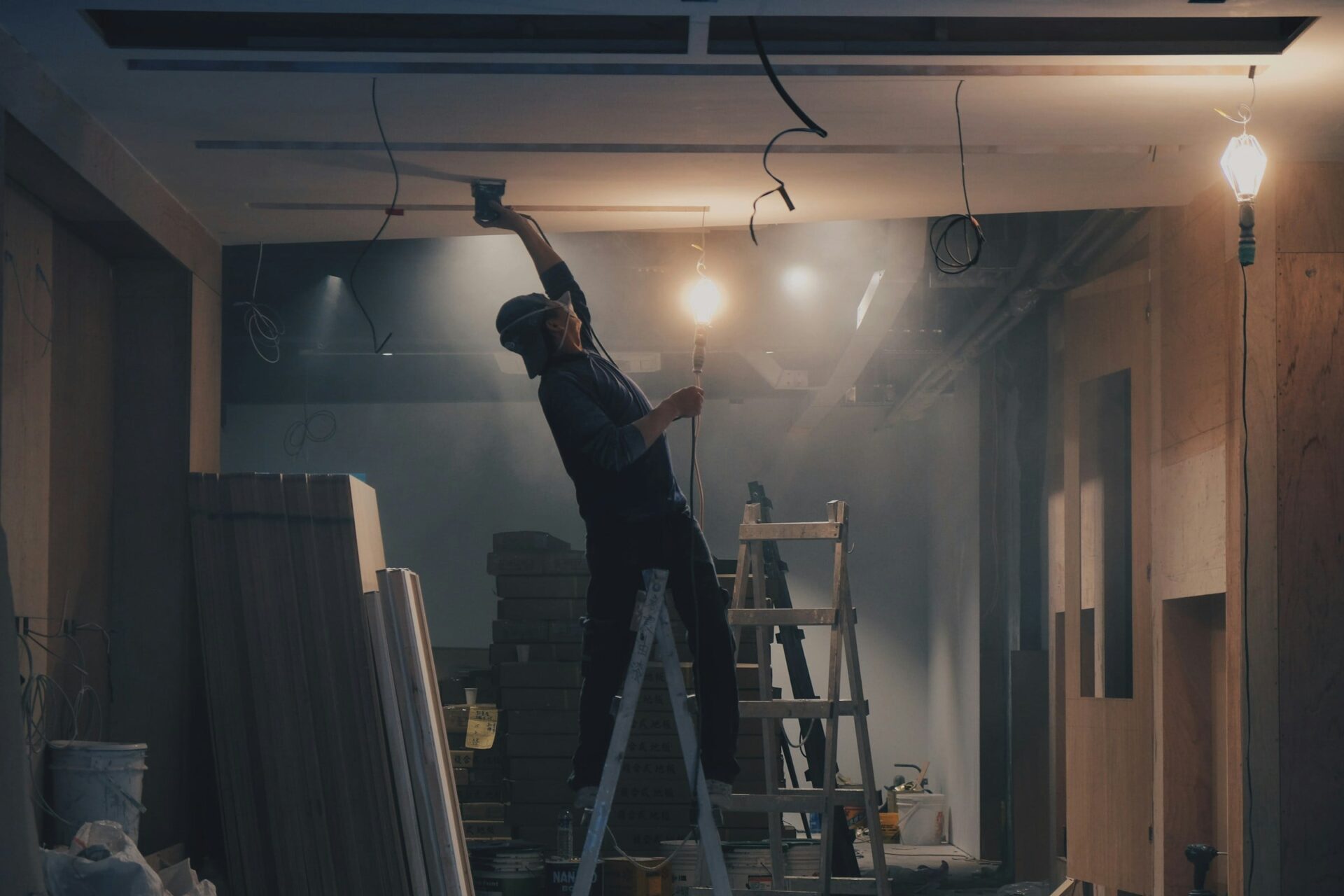
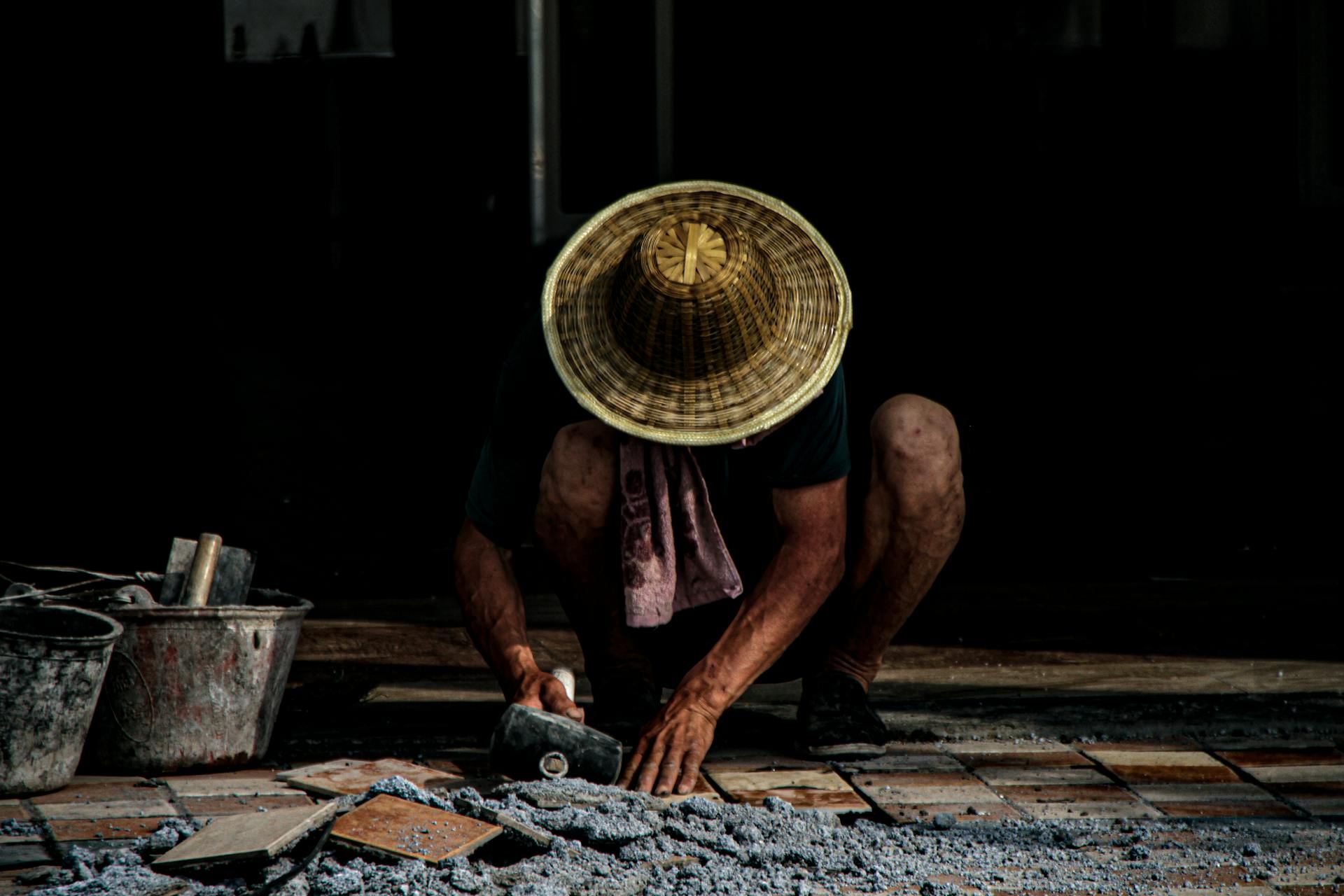
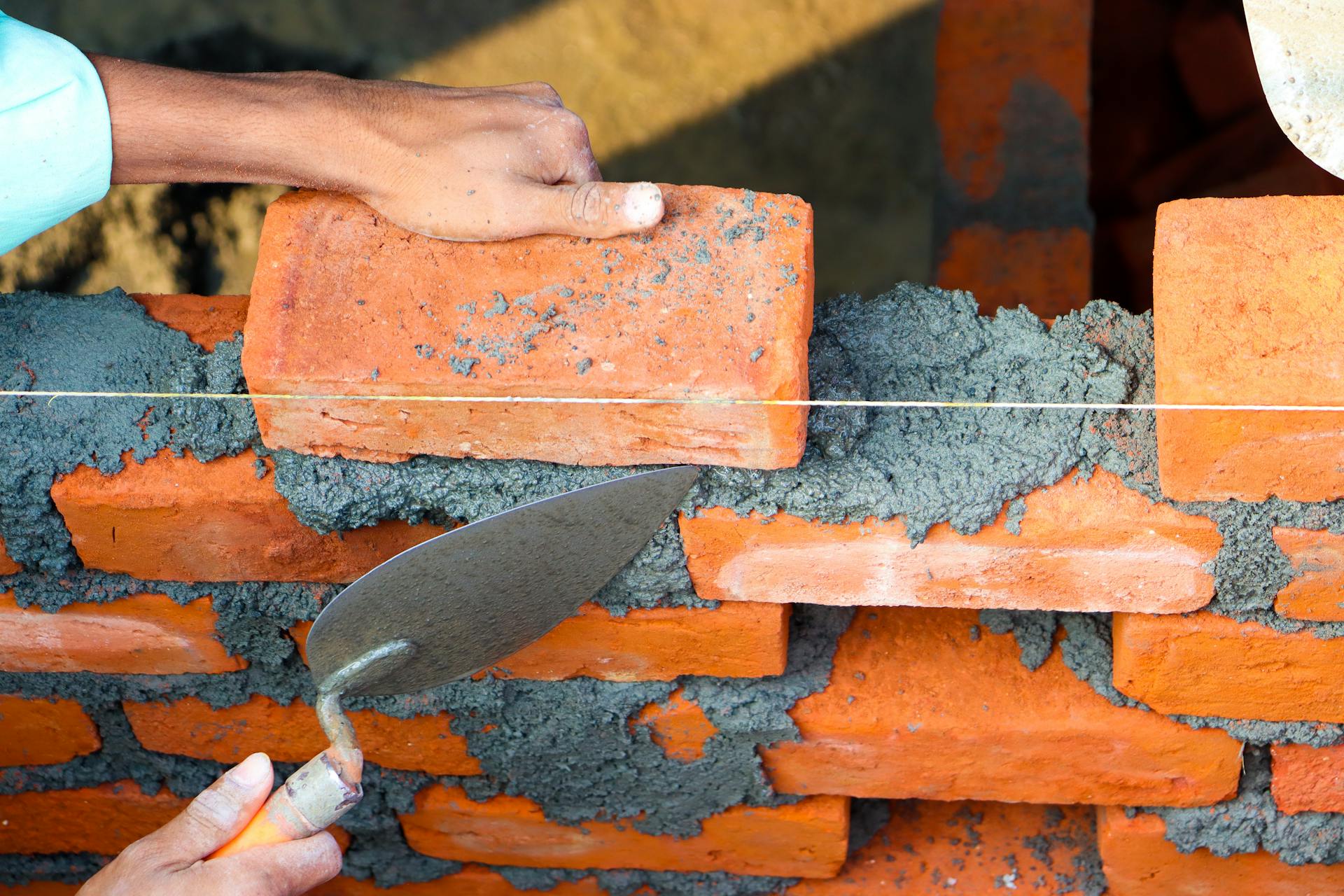
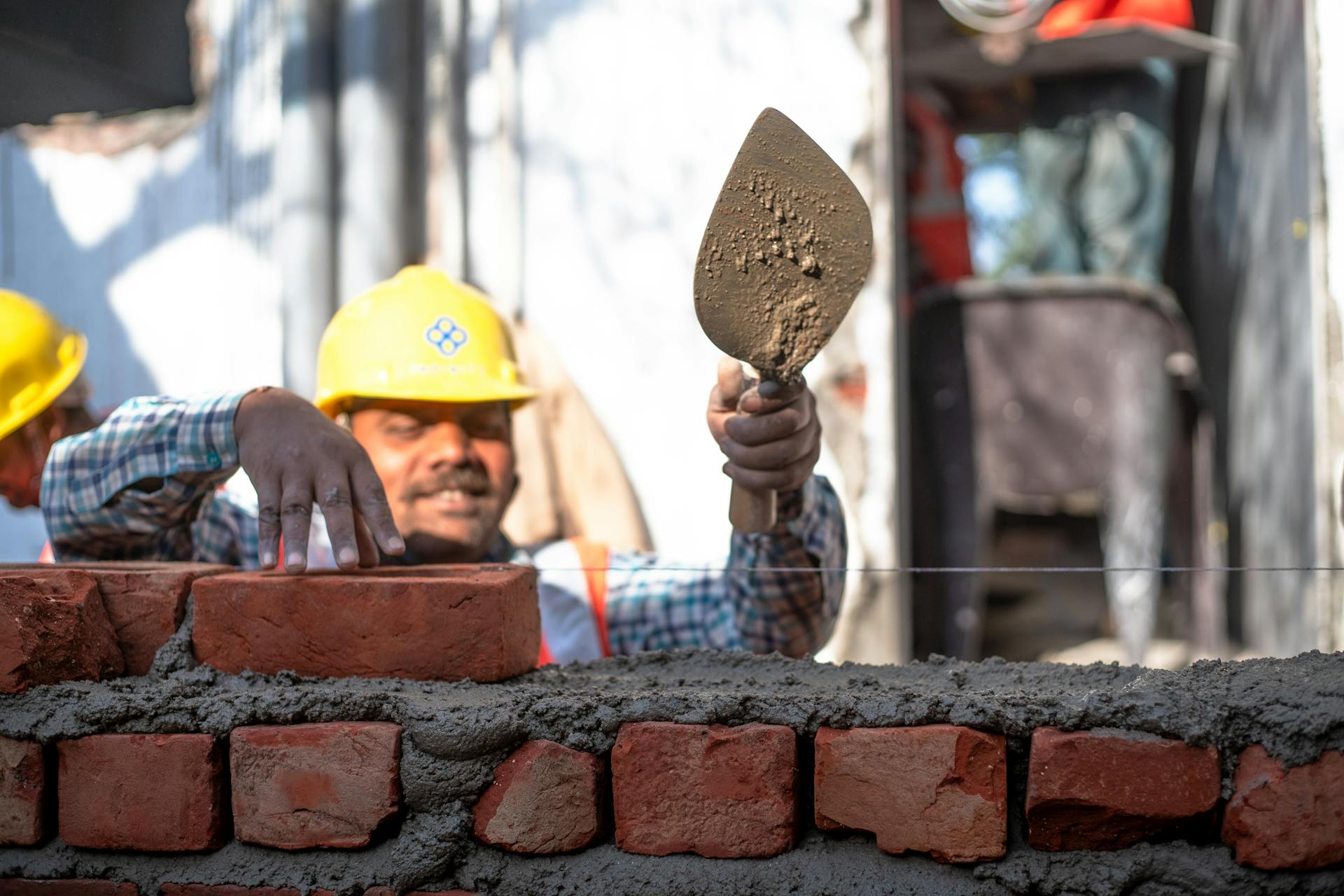
Once demolition is complete, the real building process begins. For homeowners pursuing a knockdown rebuild, this is where the experience diverges most sharply from buying an established home. You're not adapting to someone else's decisions. You're making your own — from the floor plan to the ceiling height to where natural light falls at 4pm on a winter afternoon.

That level of involvement is both the reward and the responsibility of knockdown rebuilds.

The Design Stage: More Than Choosing Finishes

There's a misconception that the design stage of a rebuild project is mostly about aesthetics — picking tiles, benchtops, and tapware. In reality, it's where the most consequential decisions happen.

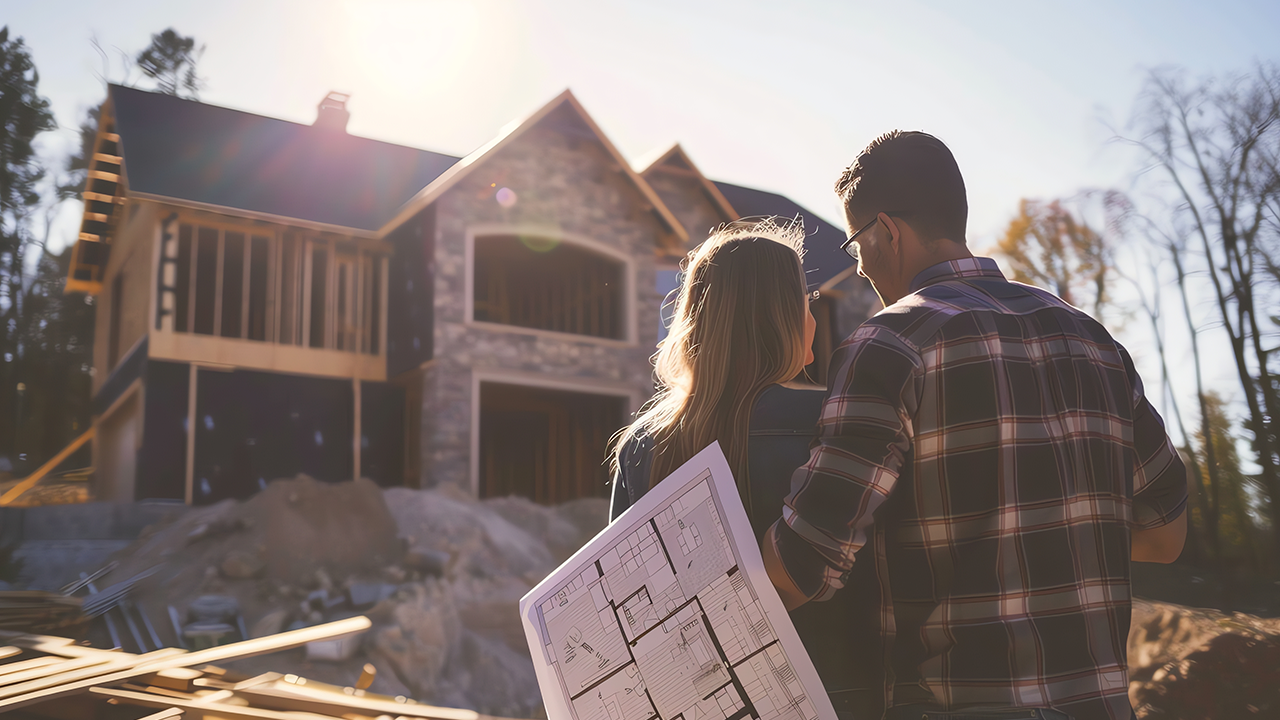
Home designs for a knock down rebuild need to respond to the specific site: how it's oriented, where the prevailing breeze comes from, how the neighbours' homes sit in relation to yours. The best house designs aren't templates imposed on a block — they're layouts that feel inevitable once you're living in them.

This is particularly important when the rebuilding is happening on an established lot in a well-developed suburb. Unlike a house and land package on a new estate, a knock down rebuild site comes with context — existing streetscapes, neighbouring homes, and sometimes heritage overlays — that a thoughtful home design needs to work with, not against.

The conversations that happen during this stage matter enormously. Questions about how the family actually uses space, what routines look like on a Tuesday morning, whether rooms need to flex over time — these are the conversations that separate a well-considered custom design from one that simply ticks the basic boxes.

When the Build Begins in Earnest

Once approvals are in place and the home designs are locked in, the building process takes on its own rhythm.

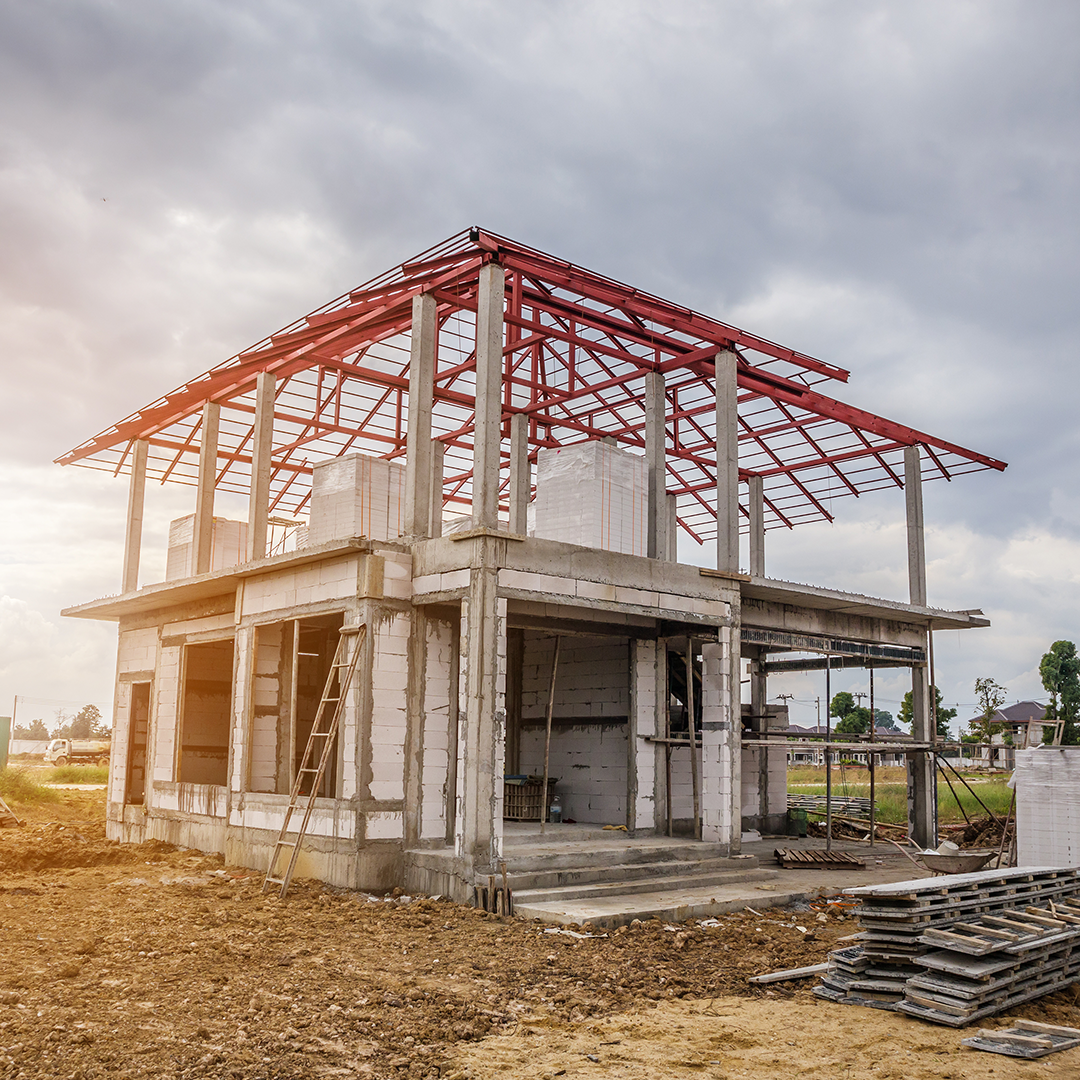
For homeowners going through a knock down rebuild for the first time, this phase can feel disorienting. Progress isn't always visible in ways that are easy to track. A week of work underground — on foundations, drainage, services — can look like not much has happened from the footpath. Then suddenly, the frame goes up and the home begins to take shape almost faster than expected.

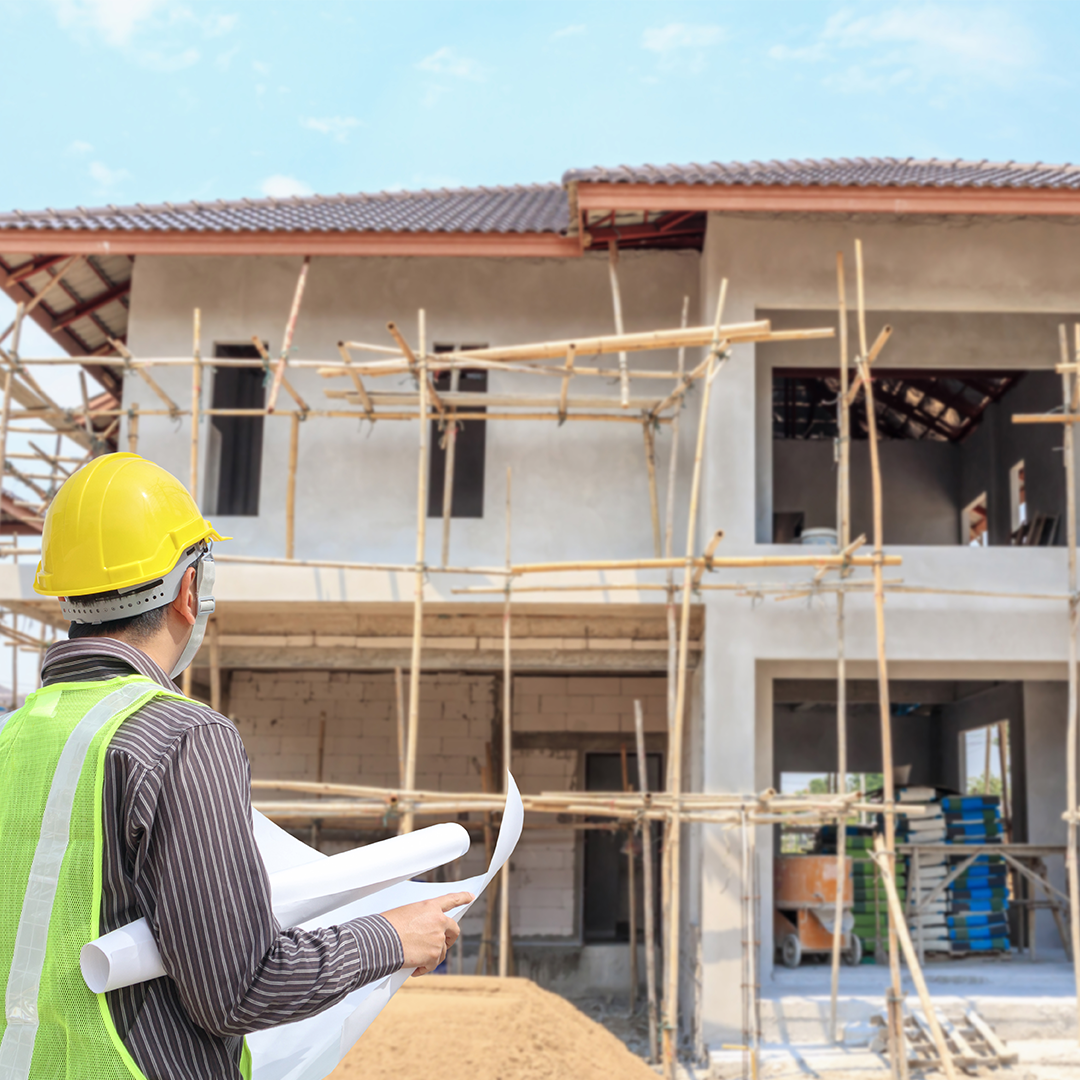
Staying in regular contact with your builder through this phase makes a real difference. Not to micromanage, but to stay connected to the process. Builders who communicate well — who flag decisions early and explain what's happening at each stage — give homeowners confidence that the project is on track even when the site looks quiet.

The Emotional Shift Happens Before Handover

Something changes, usually a few weeks before completion.

It's the same shift that happens in any well-built home, but it feels more personal in a knock down rebuild. You chose this. You made every decision — or at least the important ones. And when you walk through and the light falls the way you imagined it would, and the kitchen sits exactly where it needs to, and the house feels quiet in a way the old one never did, something settles.

The build stops feeling like a project. It starts feeling like home.

Homeowners who've been through a knockdown and rebuild often describe this moment as more emotional than they expected. The months of decisions, delays, and dusty site visits collapse into a single, clarifying feeling: this was worth it.

What Makes a Knock Down Rebuild Worth Doing

The practical case for a knock down rebuild is straightforward. You keep the location, the school zones, the community connections you've built — and you replace an ageing home with a new one that's designed around how you actually live.

But the less obvious case is harder to quantify. It's the pride that comes from knowing a home reflects your family — not someone else's idea of what a home should be. It's the confidence of moving into a new build on land you already know and love, in a street that already feels familiar.

The rebuild process isn't simple. It asks patience, involvement, and a willingness to sit with uncertainty for longer than feels comfortable. But for home owners who go through it with the right builder beside them, the result is something that can't be replicated any other way.

A house built from scratch, on your block, for your life.

That's what a knock down rebuild really is. And it's worth every step of the journey to get there.

Read More
linkedin facebook pinterest youtube rss twitter instagram facebook-blank rss-blank linkedin-blank pinterest youtube twitter instagram