The Home Builder's Dilemma: Custom Dream or Cookie-Cutter Reality?

Spend enough time in this industry and you begin to see a pattern.

Every client arrives with a vision. Sometimes it’s a carefully curated Pinterest board. Sometimes it’s a memory of a childhood home. Sometimes it’s a bold architectural statement they’ve always wanted to bring to life. Whatever the source, the intention is the same: they don’t just want a structure — they want a dream home.

But there is a tension between that first conversation and the day the keys are handed over that defines modern home building. It’s the gap between what buyers dream of and what can be delivered within budget, regulation, time and site constraints.

This is the home builder’s dilemma. And it’s one experienced home builders navigate every single day.

Where Vision Meets Reality

In theory, designing a new home looks straightforward. Choose a layout, refine the home designs, select finishes, and start construction. In practice, it’s far more layered.

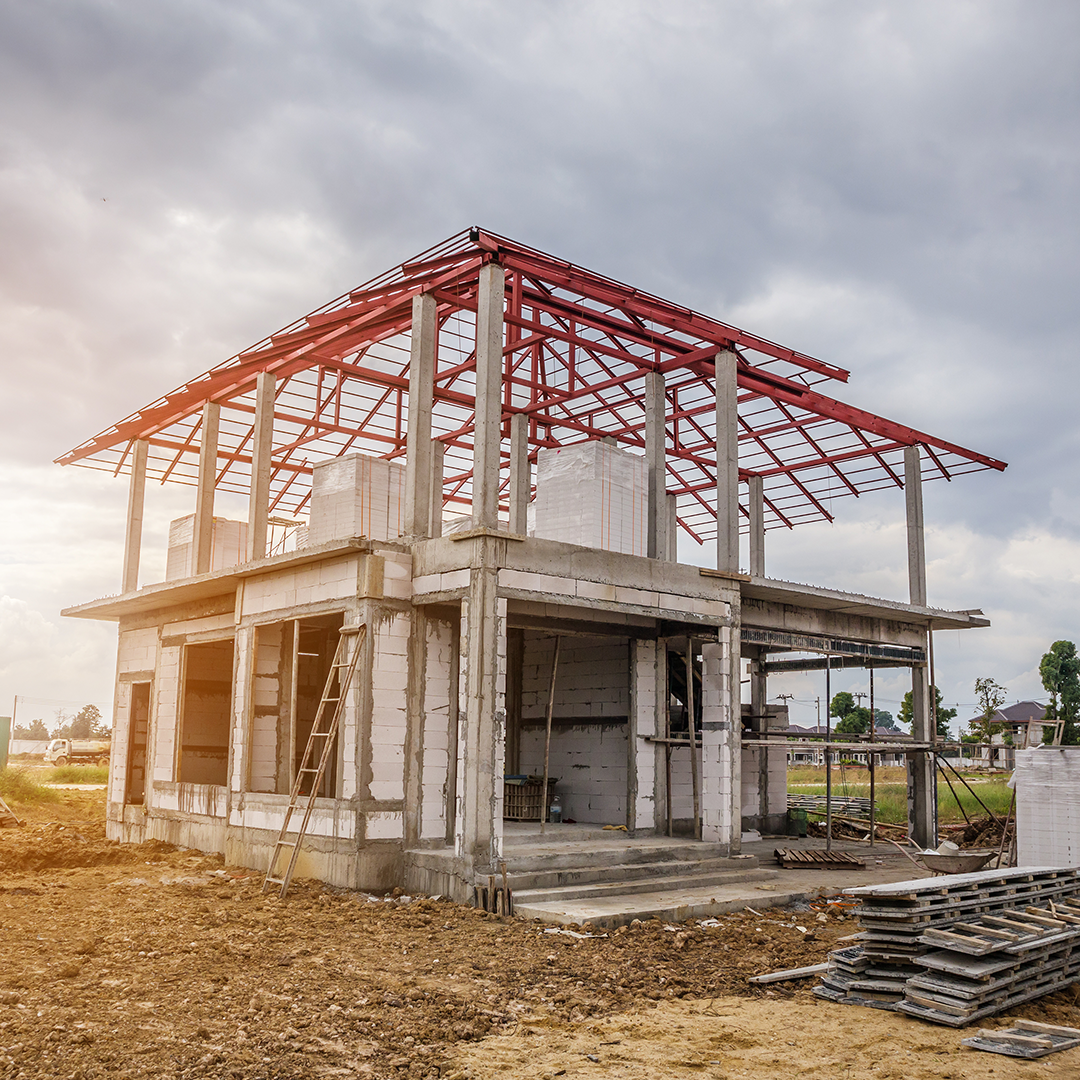
After building houses over the years on various sites and council jurisdictions, one thing has become abundantly clear: no two projects are ever the same. Even a seemingly simple block on paper could have soil conditions that call for specialist engineering. A client’s desired façade may be at odds with local zoning overlays. Supply chain delays can render a desired material suddenly unavailable.

Buyers often assume limitations are obstacles placed in their way. In reality, they are part of the broader framework that ensures safety, compliance and long-term performance.

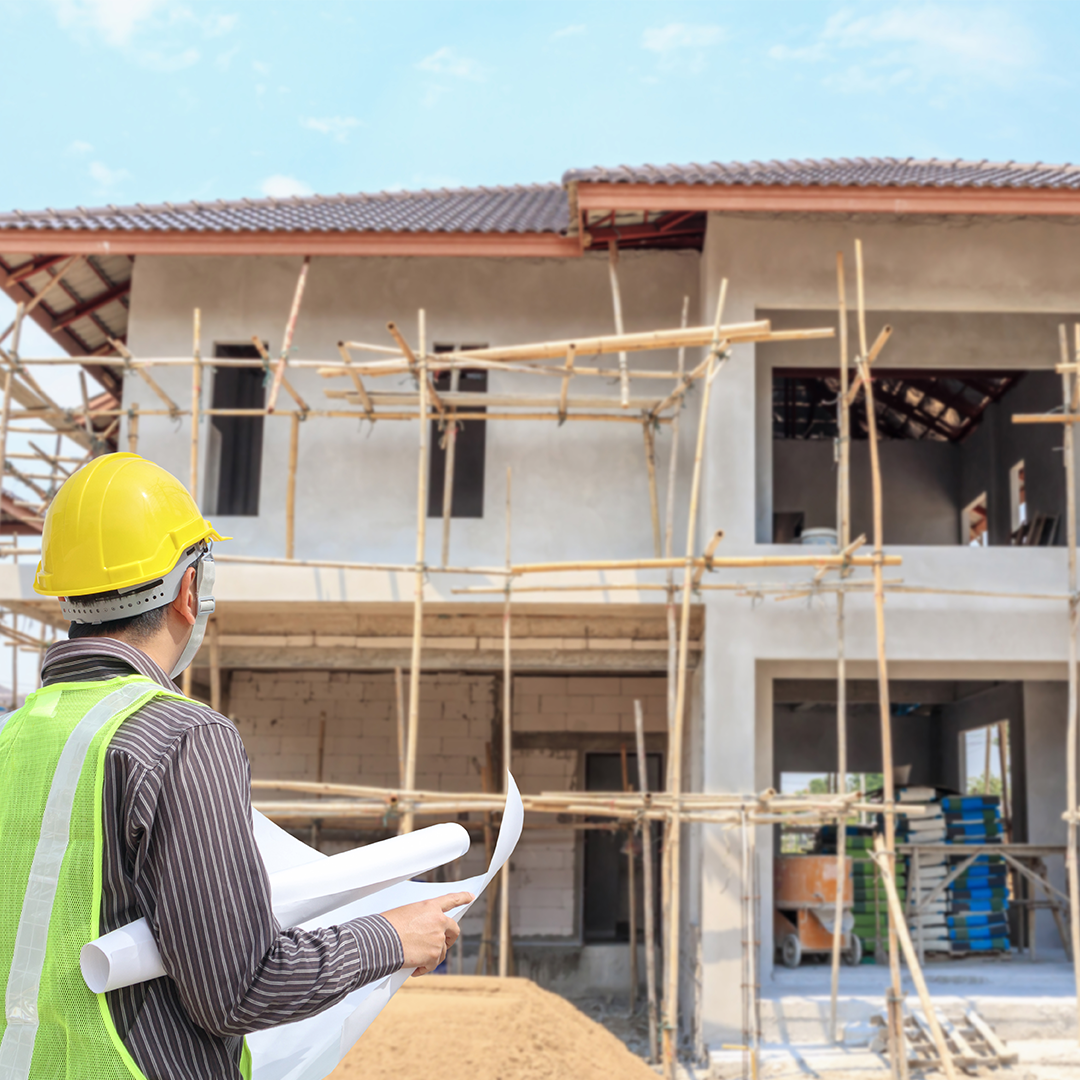
Professional home builders sit in the middle of this tension. They don’t dismiss the vision — they translate it into something achievable.
The Budget Conversation No One Loves — But Everyone Needs

Let’s address the most common pressure point: cost.

A concept sketch rarely reflects the true cost of a build. By the time engineering, energy efficiency requirements, site works, permits and evolving material prices are factored in, the numbers shift.

Transparent home builders don’t conceal it. They explain it right away.

Budget constraints are not about curbing ambition but about prioritising. Where is the investment going? Higher ceilings or better glazing? A larger kitchen footprint or long-term energy efficiency? In building a house, one decision leads to another.

Buyers who grasp this dynamic tend to feel more in control of the building process. They work together to find solutions instead of responding to changes. A gifted home builder redefines expectations without watering down the original intent.

That balance — between aspiration and practicality — is where experience matters most.

Zoning Laws and Regulations: The Invisible Framework

If you’ve never built before, it’s easy to underestimate how much regulation shapes a project.

Setbacks, height restrictions, overshadowing rules, heritage overlays and bushfire ratings all influence what can be approved. These aren’t minor details; they determine the footprint, orientation and sometimes even the materials of a house.

Builders of new homes operating in several council areas know only too well how much the rules can change from one suburb to another. What's allowed on one property can require a redesign on another just streets away.

Experienced builders see regulation not as a barrier but as a design parameter. Constraints often lead to smarter results. Better airflow, better site placement, better floor plans.

With the right management, compliance does not need to stifle creativity. It tidies it up.

Supply Chains and Timing: The Modern Challenge

Recent years have seen supply chain volatility change timelines across the construction sector. “Clients and builders alike have had to adapt to material shortages, freight delays and labour gaps.

What was once readily available now has long lead times, from timber allocation to bespoke fittings. This has implications for sequencing within the building process and sometimes substitutions are necessary.

Honest home builders communicate these realities clearly. They give you real timeframes, not pie-in-the-sky promises. They provide alternatives that do not increase budgets without sacrificing performance standards.

This is where the authoritativeness comes into play. Contractors who have good relationships with suppliers and understand procurement cycles are better placed to protect their client’s interests.

This is not about controlling global markets, it’s about managing risk responsibly.”

Customisation vs Standardisation

There is a reason project-based homes exist. Standardised floor plans, repeatable detailing and streamlined procurement can deliver efficiency and predictable pricing. For some buyers — particularly a first home buyer entering the market — this approach offers clarity and affordability.

But for others, the pull of customisation is strong.

They want tailored home designs that respond to their block, their routines, their long-term plans. They want flexibility in how spaces connect and evolve. They may be building on a complex house and land package or a uniquely shaped site.

The dilemma arises when custom aspirations exceed structural or financial limits.

This is where seasoned home builders earn their reputation. They don’t default to “no”. They explore alternatives:

  • Reconfiguring floor plans to retain functionality while reducing structural load.
  • Adjusting the design to improve energy performance instead of expanding footprint.
  • Phasing certain upgrades post-completion to manage immediate cost pressures.

The goal is never to dilute a vision — it’s to shape it into something sustainable.

The Emotional Weight of the Build

Beyond compliance and cost lies something less measurable: emotion.

For many clients, this is the largest investment they will make. It’s not just a property transaction. It’s the foundation for family life, stability and identity.

That’s why communication matters so deeply.

Home builders who have guided dozens — sometimes hundreds — of families through construction understand when reassurance is needed. They recognise that delays feel personal, that budget revisions can create stress, and that small design details carry symbolic weight.

Experience brings perspective. Not every issue is a crisis, but every concern deserves explanation.

Building homes isn’t simply technical. It’s relational.

Bridging the Gap: The Role of the Modern Builder

So where does this leave the dilemma?

It leaves it exactly where it has always been — in the hands of capable builders who can bridge vision and viability.

A credible home builder operates as:

  • Interpreter — translating aspirations into compliant documentation.
  • Strategist — aligning budget with priorities.
  • Coordinator — managing trades, timelines and supply chains.
  • Advisor — identifying risks before they escalate.
  • Advocate — protecting the integrity of the outcome.

In well-run projects, tension doesn't disappear. It becomes a partnership.

Buyers discover that perfection on the page is rarely comfort in practice. Builders learn flexibility, patience and transparency build trust.

Together, they create houses that are ambitious but don’t ignore reality.

Why Experience Shapes Better Outcomes

There is a significant difference between theoretical knowledge and practical experience.

A builder that has faced reactive soil sites, complex council negotiations and changing material markets has lessons to teach that no manual can teach. They anticipate trouble earlier. They plan more accurately. They guide decisions with an eye toward long-term performance.

This is especially important when constructing a new house that is expected to last for decades.

Shortcuts might cut initial cost but boost maintenance. Oversized glazing can be impressive but it can compromise the thermal performance. Over-structuring might be linked with increased construction risk and not increased liveability.

Experienced home builders weigh these factors carefully. They don’t just ask, “Can we build it?” They ask, “Should we build it this way?”

That distinction builds credibility.

Custom Dream or 
Cookie-Cutter Reality?

The question itself suggests a choice. In practice, the best outcomes often sit somewhere between.

True customisation doesn’t mean ignoring constraints. And standardisation doesn’t mean sacrificing individuality.

The most successful home building projects balance creativity with discipline. They respect budget without eliminating ambition. They follow regulation without stifling design. They adapt to supply pressures without compromising integrity.

Ultimately, the dilemma isn’t a conflict to be won. It’s a problem to be solved thoughtfully.

For clients, the key is partnering with home builders who are transparent about limitations while committed to solutions.

For the industry, the responsibility is clear: uphold standards, communicate honestly, and treat every house not as a transaction but as a long-term commitment.

Because when the dust settles and the site fence comes down, what remains isn’t a compromise between dream and reality.

It’s a home built with clarity, collaboration and care.

linkedin facebook pinterest youtube rss twitter instagram facebook-blank rss-blank linkedin-blank pinterest youtube twitter instagram